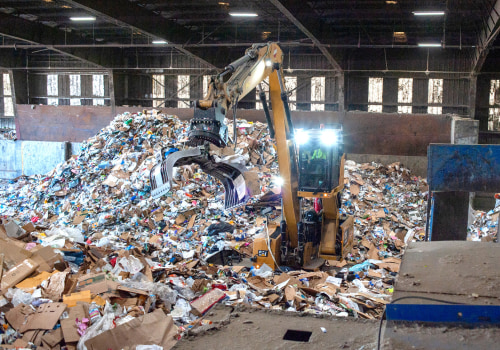
A large property cleanout can quickly become overwhelming without proper preparation and organization. Whether clearing a residential home, commercial building, or inherited property, having a structured plan is essential for completing the project efficiently. One common mistake is beginning the cleanout without evaluating the amount of clutter, available resources, and expected timeline. This lack of preparation can result in unnecessary delays, confusion, and increased expenses. Property owners should inspect each room, identify areas requiring attention, and establish realistic cleanup goals. Creating a checklist and assigning specific responsibilities helps maintain productivity while ensuring important tasks are not overlooked.
Underestimating the Amount of Waste
Another frequent mistake during property cleanouts is miscalculating the volume of unwanted materials. Large properties may contain old furniture, damaged appliances, discarded household items, and accumulated debris that require appropriate disposal. Underestimating waste quantities can lead to overflowing containers, repeated disposal trips, and unexpected costs. Working with professional waste management providers, such as Talkin' Trash, can help property owners explore suitable dumpster rental or junk removal options for their cleanup requirements. Selecting an appropriately sized container and understanding disposal restrictions can make the process more manageable while reducing unnecessary interruptions.
Neglecting to Sort Belongings Before Disposal
Throwing everything away without carefully reviewing belongings is another mistake that can lead to unnecessary losses. Valuable possessions, important documents, sentimental items, and reusable materials may become mixed with ordinary waste during a rushed cleanout. Property owners should separate belongings into categories for keeping, donating, selling, recycling, and discarding. Labeling designated areas or containers makes sorting easier and prevents confusion among individuals assisting with the project. Taking time to evaluate possessions also supports responsible waste management by identifying items that can be reused rather than unnecessarily sent to landfills.
Ignoring Safety Precautions During Cleanup
Large property cleanouts often involve lifting heavy objects, handling broken materials, and navigating cluttered spaces. Failing to establish basic safety precautions can increase the risk of injuries and property damage. Workers should wear appropriate protective equipment, including gloves, sturdy footwear, and eye protection when necessary. Heavy furniture and appliances should be moved using suitable equipment and proper lifting techniques. Additionally, hazardous substances, chemicals, batteries, and certain electronics may require specialized disposal methods. Maintaining clear pathways and organizing work areas helps create safer conditions throughout the cleanout process.
Overlooking Disposal Regulations and Restrictions
Not all unwanted materials can be placed in standard dumpsters or transported to ordinary disposal facilities. Local waste management regulations may restrict certain construction materials, hazardous chemicals, tires, and electronic equipment. Ignoring these requirements can result in additional fees, rejected loads, or improper disposal. Before beginning a cleanout, property owners should review applicable disposal guidelines and confirm which materials their waste collection provider accepts. Separating restricted items early prevents complications and promotes environmentally responsible cleanup practices.
Setting Unrealistic Timelines and Budgets
Large cleanout projects frequently take longer than anticipated, especially when dealing with multiple rooms or years of accumulated possessions. Rushing the process can cause disorganization and overlooked responsibilities. Establishing a realistic budget that includes labor, transportation, equipment, and disposal expenses helps prevent financial surprises.
Achieving a More Efficient Property Cleanout
Avoiding common cleanout mistakes requires thoughtful planning, proper waste management, and consistent organization. By accurately estimating debris quantities, prioritizing safety, and following disposal requirements, property owners can complete cleanup projects more efficiently. A structured approach ultimately reduces unnecessary stress, controls expenses, and creates cleaner, more functional spaces.