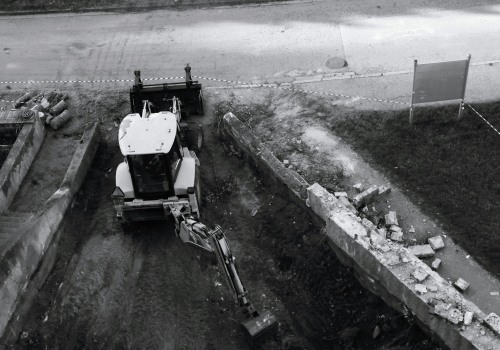
Active job sites, whether for construction, renovation, or industrial projects, generate a constant stream of debris. Scrap materials, packaging, broken fixtures, and leftover supplies can accumulate quickly if not managed properly. Junk removal plays a vital role in maintaining order by ensuring that waste is cleared regularly rather than allowed to pile up. A clean job site is not just about appearance; it directly affects productivity, safety, and overall project efficiency. When work areas are free from clutter, crews can move more freely, focus on their tasks, and complete work without unnecessary obstacles.
Reducing Safety Hazards Through Proper Removal
One of the most critical benefits of junk removal is improved safety. Debris left on job sites can create tripping hazards, block emergency pathways, and interfere with heavy equipment operations. Nails, sharp metal edges, and broken materials increase the risk of injuries if not removed promptly. Regular junk removal reduces these risks by keeping walkways clear and ensuring that hazardous materials are disposed of properly. This proactive approach helps contractors meet safety standards and protects workers from preventable accidents that could lead to downtime or liability issues.
Supporting Efficient Workflow and Productivity
Cluttered job sites slow down progress. Workers waste time navigating around debris, searching for usable materials, or clearing space before starting tasks. Junk removal services streamline workflow by maintaining organized spaces where tools, materials, and equipment are easy to access. With less time spent on cleanup and repositioning, crews can focus on skilled labor that moves the project forward. This efficiency contributes to faster completion times and better use of labor resources, which is especially important on projects with tight deadlines.
Managing Waste at Scale
Large projects generate waste at a scale that standard disposal methods cannot handle efficiently. Coordinated junk removal ensures that debris is collected, sorted, and removed in a systematic way. For many job sites, this involves the use of containers that can accommodate heavy or bulky materials. Solutions like roll-off dumpster rentals in Loveland, CO provide the capacity and flexibility needed to manage large volumes of waste without disrupting ongoing work. By placing dumpsters strategically on-site, contractors can dispose of debris as it is generated, preventing accumulation and maintaining continuous cleanliness.
Environmental and Regulatory Considerations
Proper junk removal also supports environmental responsibility and regulatory compliance. Many materials used on job sites—such as wood, metal, concrete, and packaging—can be recycled or disposed of according to local regulations. Junk removal services are familiar with these requirements and help ensure that waste is handled appropriately. This reduces the risk of fines or penalties associated with improper disposal while supporting sustainable practices. Environmentally conscious waste management also reflects positively on contractors and project owners, reinforcing their commitment to responsible operations.
Enhancing Professionalism and Client Confidence
Clean job sites convey professionalism and competence. Clients, inspectors, and stakeholders who visit a well-maintained site are more likely to feel confident in the quality and organization of the work being performed. Regular junk removal demonstrates attention to detail and respect for safety standards. This positive impression can strengthen client relationships, support repeat business, and enhance a company’s reputation within the industry.
A Foundation for Safe and Successful Projects
How junk removal helps keep job sites clean and safe ultimately comes down to consistency and planning. By integrating regular waste removal into project operations, contractors create environments where safety, efficiency, and professionalism thrive. Junk removal is not an afterthought—it is a foundational practice that supports successful project outcomes from start to finish.