Junk removal companies depend on efficient transportation schedules to collect, haul, and dispose of unwanted materials from residential and commercial properties. Trucks frequently travel between customer locations, recycling facilities, donation centers, and disposal sites while carrying substantial loads. Unexpected mechanical breakdowns can disrupt these operations, delay scheduled pickups, and increase transportation expenses. Coordinating roadside assistance with junk removal schedules helps businesses prepare for emergencies while maintaining dependable service. By combining preventive maintenance, organized route planning, and professional roadside support, junk removal companies can improve operational efficiency and customer satisfaction.
Preventing Unexpected Transportation Disruptions
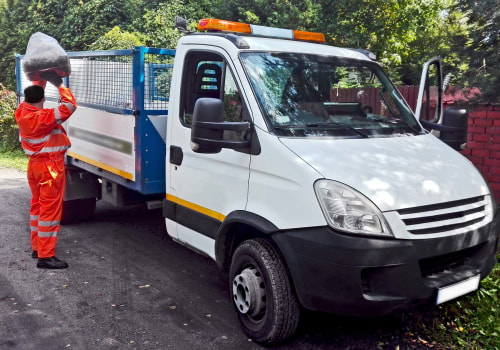
Junk removal trucks experience considerable mechanical stress because of heavy cargo, frequent stops, and demanding daily routes. These conditions can contribute to tire damage, brake wear, engine overheating, and electrical problems.
Even properly maintained vehicles may encounter unexpected breakdowns during scheduled assignments. Having roadside assistance arrangements established before departure helps drivers respond more efficiently.
Professional technicians can assess common mechanical problems and determine whether immediate repairs or specialized recovery services are necessary.
Supporting Emergency Towing and Vehicle Recovery
Some mechanical failures prevent junk removal trucks from continuing their routes safely. Transmission problems, severe tire damage, and engine malfunctions may require professional towing.
Reliable providers such as Road Angel Towing and Roadside Service can offer valuable assistance during unexpected roadside emergencies. Companies should verify that their chosen providers have suitable equipment for handling commercial vehicles and loaded trucks.
Proper recovery procedures help protect transportation equipment while reducing additional mechanical damage.
Maintaining Efficient Pickup and Disposal Schedules
Junk removal businesses often coordinate multiple customer appointments throughout the day. A single vehicle breakdown can delay collections, disrupt disposal arrangements, and affect employee productivity.
Coordinated roadside assistance helps companies address mechanical problems while dispatchers adjust routes or assign replacement vehicles.
Maintaining clear communication with customers during unexpected delays also supports stronger business relationships.
Reducing Operational Expenses and Downtime
Unexpected vehicle failures can create additional expenses involving towing, emergency repairs, employee overtime, and missed appointments.
Roadside service arrangements may help businesses manage these costs by providing access to appropriate assistance when problems occur.
Combining emergency preparedness with regular vehicle inspections further reduces unnecessary downtime.
Improving Driver Safety and Cargo Management
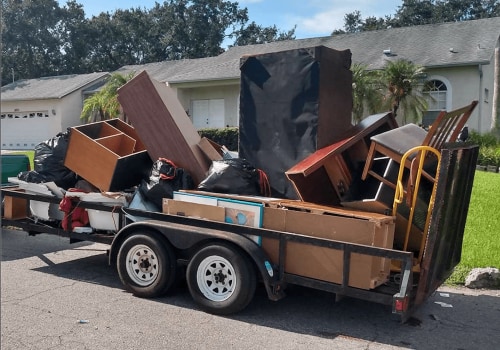
Junk removal trucks transport various materials, including furniture, appliances, construction debris, and bulky household items. Mechanical breakdowns can create additional safety concerns when vehicles carry heavy loads.
Drivers should secure cargo properly, identify safe stopping locations, and contact qualified assistance providers during emergencies.
Strengthening Fleet Maintenance and Preparedness
Regular inspections of tires, brakes, fluid levels, and suspension components help maintain dependable vehicle performance.
Fleet managers should also maintain emergency contacts and monitor service records to identify recurring problems.
Supporting Reliable Junk Removal Services
Coordinating roadside assistance with transportation schedules helps junk removal businesses minimize disruptions, protect equipment, and maintain consistent customer service.
Ultimately, combining preventive maintenance with dependable emergency support improves operational reliability, reduces unexpected delays, and helps companies complete collection and disposal assignments efficiently.