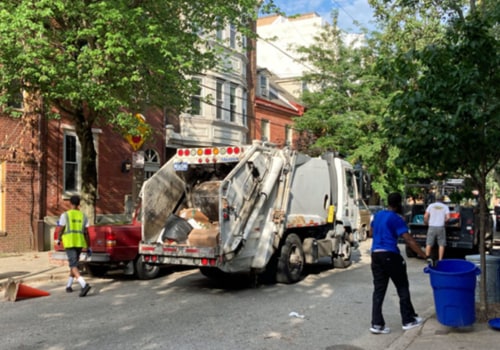
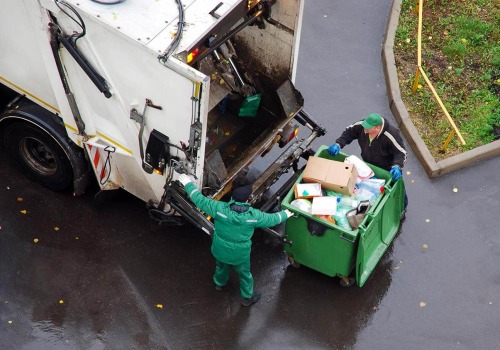
Debris removal can become time-consuming when transportation is not planned properly. Construction projects, landscaping work, storm cleanup, renovations, and property cleanouts can all generate large amounts of material that need to be moved quickly and safely. Professional transportation services can help organize the movement of debris by coordinating vehicles, pickup times, routes, and disposal destinations. When transportation is arranged in advance, crews can focus on cleanup instead of waiting for trucks or making repeated trips with vehicles that are too small for the job. Efficient coordination can also help prevent debris from piling up in work areas where it may interfere with other tasks.
Matching Vehicles to the Job
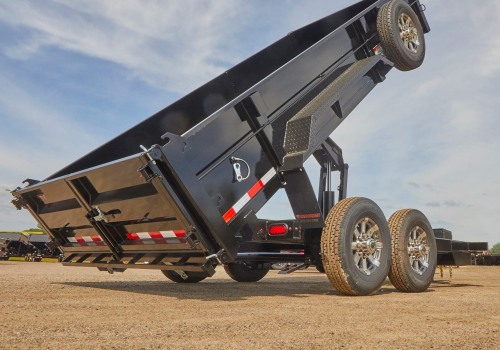
Different types of debris require different transportation solutions. Light household waste may be manageable with smaller vehicles, while heavy construction materials, branches, concrete, soil, or demolition debris may require larger trucks or specialized hauling equipment. Choosing the correct vehicle can reduce the number of trips needed and help keep the removal process on schedule. The same principle of matching transportation resources to specific needs applies across many services, including Utah Luxury Transportation Network, where vehicle selection may depend on capacity, route requirements, timing, and the nature of the trip. For debris removal, selecting the right vehicle can make the entire process more efficient.
Reducing Delays at the Worksite
When debris stays on a jobsite for too long, it can block access routes, limit workspace, and create additional cleanup concerns. Professional transportation can help establish a regular removal schedule so waste leaves the property as work progresses. For larger projects, this may involve multiple scheduled pickups throughout the day or week. Having predictable transportation available allows crews to move debris into designated collection areas without worrying that materials will remain there indefinitely. This can support smoother workflow and make it easier for different contractors or teams to work in the same space.
Planning Efficient Routes
Route planning is another important part of debris transportation. Disposal facilities, recycling centers, transfer stations, and processing sites may be located far from the work area. Drivers need to consider traffic, road restrictions, operating hours, and vehicle limitations before leaving the site. An inefficient route can increase fuel use and reduce the number of loads completed in a day. Professional transportation teams can plan routes that minimize unnecessary travel and help vehicles return to the worksite more quickly for additional pickups.
Supporting Safer Loading and Transport
Debris must be loaded and secured carefully to prevent materials from shifting or falling during transportation. Loose branches, construction scraps, broken furniture, and other materials can create risks if they are not properly contained. Professional drivers and hauling teams can use appropriate equipment, covers, straps, or containers to keep loads secure. Vehicles also need to remain within legal weight limits. Careful loading protects both the transportation crew and other road users while reducing the chance of delays caused by improperly secured cargo.
Coordinating Disposal and Recycling
Efficient debris removal does not end when materials leave the property. Different types of waste may need to be delivered to different facilities. Metal, wood, concrete, green waste, and recyclable materials may have separate processing requirements. Organizing loads before transportation can reduce sorting time later and make recycling more practical. Drivers should also know facility hours, fees, and unloading procedures before arriving to avoid unnecessary waiting.
Keeping Cleanup Projects Moving
Professional transportation can make debris removal more efficient by reducing delays, matching vehicles to the material, coordinating pickups, and planning practical routes. Reliable hauling also helps keep worksites clearer and supports a safer, more organized environment. Whether the project involves renovation debris, landscaping waste, storm damage, or general property cleanup, careful transportation planning can reduce repeated trips and improve overall productivity. By treating hauling as an important part of the cleanup process rather than an afterthought, property owners and contractors can complete debris removal more quickly and with fewer disruptions.