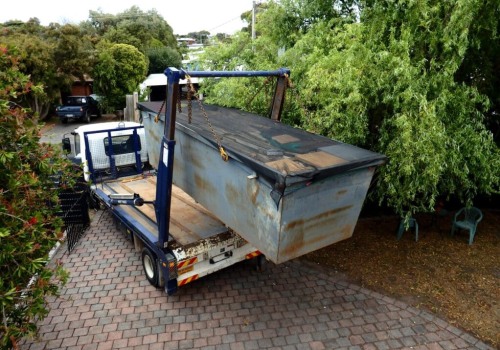
Junk removal projects can quickly become overwhelming without proper planning, especially when dealing with large amounts of clutter, renovation debris, old furniture, or accumulated household waste. Whether tackling a garage cleanout, estate cleanup, remodeling project, or major decluttering effort, organization and waste management play important roles in keeping the process efficient and manageable. One of the most effective ways to simplify large cleanup projects is through smart dumpster rental service planning. Choosing the right disposal strategy early can reduce stress, improve safety, and help homeowners or contractors complete projects more efficiently from start to finish.
Many people underestimate how much waste can accumulate during even relatively small cleanup projects. Old furniture, broken appliances, construction debris, cardboard, yard waste, and unwanted household items can pile up quickly, making it difficult to maintain organized work areas. Without a proper disposal plan, cleanup projects often become more time-consuming and physically demanding than expected. Strategic dumpster rental planning allows individuals to create a centralized disposal system that improves workflow and reduces unnecessary interruptions throughout the project.
Start With Sorting and Decluttering
One of the most important junk removal tips is to begin by sorting items before loading anything into a dumpster. Rather than throwing everything away immediately, it is often more effective to separate belongings into categories such as donate, recycle, sell, keep, or dispose of. This approach helps reduce waste while allowing homeowners to identify valuable or reusable items that may still serve a purpose.
Decluttering systematically also improves efficiency during the cleanup process. Working room by room or section by section helps prevent overwhelm and creates a more organized workflow. Many people find that starting with garages, storage rooms, attics, or basements helps build momentum because these spaces often contain the largest concentration of unused belongings.
Sorting before disposal can also reduce dumpster size requirements, which may help lower overall project costs. Recyclable materials such as cardboard, metal, electronics, or certain appliances may require separate handling depending on local disposal regulations. Understanding what can and cannot be placed in the dumpster helps avoid complications later.
Choosing the Right Dumpster Size
Selecting the proper dumpster size is one of the most important parts of smart rental planning. Choosing a container that is too small may result in overflow issues or additional rental costs, while selecting one that is unnecessarily large can lead to wasted space and higher expenses. The right size often depends on the scale of the project, the type of debris involved, and the estimated volume of waste.
Smaller dumpsters may work well for simple garage cleanouts or minor decluttering projects, while larger containers are often necessary for construction debris, roofing materials, or whole-home cleanouts. Consulting with experienced waste removal providers can help homeowners estimate their disposal needs more accurately before the project begins.
Reliable providers such as Trinity Hauling help simplify this process by assisting customers in selecting appropriate disposal solutions based on project scope and debris type. Professional guidance can make a major difference in preventing delays and improving overall cleanup efficiency.
Planning Dumpster Placement Strategically
Dumpster placement is another important consideration that can significantly impact how smoothly a junk removal project progresses. Ideally, the dumpster should be positioned in a location that allows easy access while minimizing disruption to driveways, walkways, or neighboring properties. Placing the container too far from the work area can increase physical strain and slow down the cleanup process.
For residential projects, driveways are often the most practical location because they provide stable surfaces and convenient loading access. However, homeowners should also consider local regulations or homeowner association guidelines regarding temporary dumpster placement. In some cases, permits may be required for street placement or extended rental periods.
Organizing debris efficiently inside the dumpster also helps maximize space. Heavier materials should typically be loaded first, with lighter or bulkier items stacked strategically to avoid wasted capacity. Breaking down furniture or cardboard before disposal can further improve space utilization.
Safety and Efficiency During Cleanup
Maintaining safety during junk removal projects is essential, especially when handling heavy objects, sharp materials, or construction debris. Wearing gloves, protective footwear, and proper lifting equipment can help reduce the risk of injury throughout the process. Keeping pathways clear and disposing of debris consistently also improves safety by minimizing clutter and trip hazards.
Dumpster rentals contribute to a more organized work environment by centralizing waste collection in one designated area. This allows homeowners, contractors, or cleanup crews to focus more effectively on the project itself rather than constantly managing scattered debris piles.
Time management also becomes easier with a structured disposal plan. Scheduled dumpster delivery and pickup help create clearer project timelines while reducing the likelihood of prolonged clutter around the property.
Creating a More Manageable Cleanup Experience
Junk removal projects do not have to feel chaotic or unmanageable when approached with proper planning and organization. Smart dumpster rental service planning allows homeowners and contractors to streamline disposal efforts, reduce stress, and maintain cleaner workspaces throughout the cleanup process.
By sorting belongings carefully, choosing the right dumpster size, planning placement strategically, and prioritizing safety, individuals can complete cleanup projects more efficiently while avoiding unnecessary delays or complications. Thoughtful waste management transforms large junk removal tasks into more organized and manageable experiences that support cleaner, safer, and more functional living spaces.